01
Water Scarcity
Limited and unpredictable rainfall can make water availability one of the greatest constraints for communities, vegetation and agriculture.
WATER RESILIENCE
Asal - Kenya
A Students Army Initiative
Levaraging Kenaf Farming For The Climate & Livelihood
Turning dry landscapes into opportunities for restoration, resilient agriculture, water conservation and sustainable livelihoods.
Our ASAL initiative focuses on practical, locally appropriate solutions that can help restore degraded land, strengthen vegetation cover and create pathways from environmental action to economic value.
Arid and Semi-Arid Lands are landscapes where rainfall is limited or highly variable, creating unique challenges for water availability, vegetation, agriculture and livelihoods.
These environments are not wastelands. They support communities, wildlife, agriculture and important ecosystems. With appropriate land-management approaches, ASAL landscapes can become more resilient and productive.
Students Army's ASAL initiative focuses on practical environmental action that works with local conditions rather than treating every landscape in the same way.
Rainfall can be low, seasonal and unpredictable, making water management especially important.
Protecting available water resources, improving water harvesting and reducing unnecessary losses can strengthen resilience.
Appropriate vegetation can help protect soil, support biodiversity and improve the resilience of degraded landscapes.
Healthy soils are essential for vegetation, agriculture and long-term restoration, particularly where erosion and degradation are significant pressures.
ASAL does not mean lifeless. It means working with a different environment — understanding its limits, protecting its resources and choosing solutions suited to local conditions.
ASAL ecosystems can be highly resilient, but pressure on land, water and vegetation can reduce that resilience and make recovery more difficult.
Limited and unpredictable rainfall can make water availability one of the greatest constraints for communities, vegetation and agriculture.
WATER RESILIENCELoss of vegetation, erosion and unsustainable land use can weaken soil health and reduce the ability of landscapes to recover naturally.
SOIL & LAND HEALTHDeclining vegetation cover can expose soil to erosion while reducing habitat, shade, organic matter and other ecological benefits.
VEGETATION RESTORATIONClimate variability combined with land degradation can increase pressure on already fragile dryland ecosystems and their natural resources.
LAND RESILIENCEWhen protective vegetation and soil structure are lost, wind and water can remove valuable topsoil, making restoration and productive land use harder.
SOIL CONSERVATIONEnvironmental stress can affect agriculture, livestock, natural resources and other activities that communities depend on for their livelihoods.
RESILIENT LIVELIHOODSASAL restoration requires more than planting alone. Our approach combines land restoration, water conservation, appropriate vegetation and sustainable value creation.
Protect available water resources and promote practical approaches such as rainwater harvesting, water storage, efficient use and catchment protection.
Support vegetation choices that are appropriate to local environmental conditions, with emphasis on native and well-adapted species.
Protect and rebuild soil through practices that reduce erosion, improve ground cover and retain moisture where conditions allow.
Explore crops and production systems that are suited to local conditions while improving the efficiency and resilience of dryland agriculture.
Investigate kenaf as a potential fibre crop for suitable ASAL locations, connecting cultivation with fibre extraction, processing and value-added products.
Restoration becomes more durable when environmental action can also support useful products, local enterprise, skills and sustainable livelihoods.
Protect the land first, use resources responsibly, restore what has been degraded and develop value chains that can help sustain environmental action over the long term.
Exploring kenaf as a potential fibre crop for suitable ASAL environments — connecting cultivation, fibre extraction, processing and value-added opportunities.
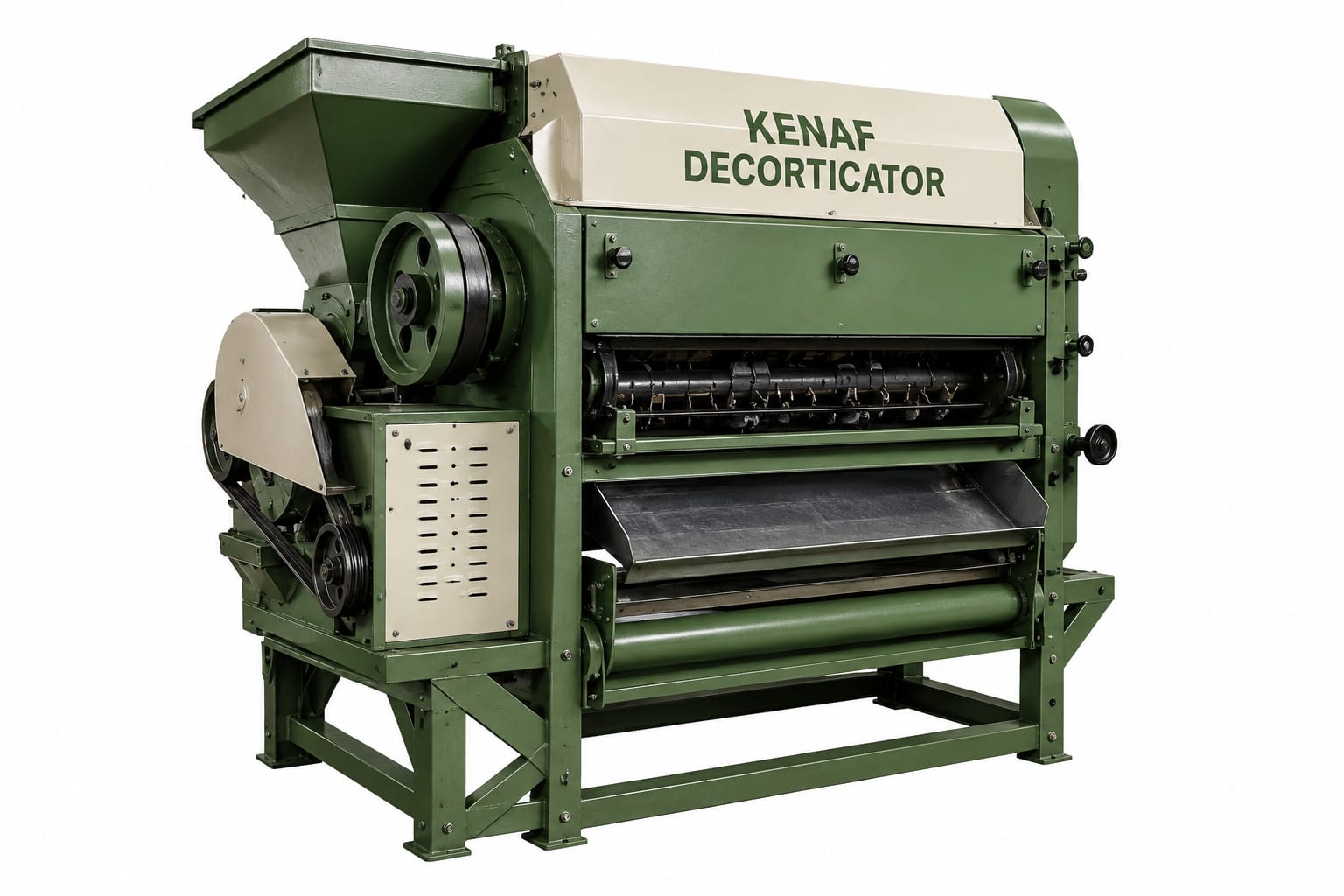
Kenaf produces strong plant fibres that can be separated from the stalk and processed into materials for different applications.
A local processing approach could create opportunities beyond farming by linking growers with fibre extraction, transport, processing and manufacturing.
Kenaf performance depends on variety, rainfall, soil conditions, management and location. Any commercial rollout should begin with suitable-site trials and verified agronomic and market data.
Kenaf fibre can be explored as a renewable plant-based material for a range of fibre, composite and other value-added applications.
Cleaned and processed kenaf fibre can serve as a raw material for selected fibre-based products.
FIBRE MATERIALSuitable fibre streams can be investigated for cordage, twine and related non-food fibre products.
FIBRE PRODUCTSKenaf fibre can be investigated as reinforcement in selected bio-based composite materials.
ADVANCED MATERIALSKenaf fibre and suitable plant material can be explored for pulp and paper applications.
BIO-BASED MATERIALProcessed plant fibres may offer opportunities for selected fibre-based packaging solutions.
CIRCULAR MATERIALSResearch and local trials can explore kenaf fibre in suitable composite and insulation applications.
CONSTRUCTIONA local kenaf value chain could connect farmers, transporters, processors, manufacturers and entrepreneurs — creating opportunities at multiple stages instead of selling raw material alone.
China's 2026 expansion of zero-tariff treatment for qualifying African goods could create additional opportunities for Kenyan agricultural and value-added products, including potential kenaf fibre exports.
China expanded zero-tariff treatment to the 53 African countries with which it maintains diplomatic relations.
Kenya is included. Under the China–Kenya Early Harvest Arrangement, qualifying Kenyan goods can receive zero-tariff treatment across 100% of tariff lines, subject to applicable rules of origin and customs requirements.
Qualifying kenaf fibre and value-added kenaf products could potentially access this wider market, provided they meet classification, origin, quality, certification and buyer requirements.
Zero-tariff access does not guarantee sales, profitability or market demand. Actual export opportunities will depend on product classification, rules of origin, quality, certification, logistics, pricing and verified buyers in the Chinese market.
Kenaf can become more than an agricultural crop. With appropriate processing and value addition, its fibre and biomass can support a range of commercial and industrial applications.
Establish kenaf production in suitable ASAL and other appropriate agricultural areas using locally adapted production practices.
RAW MATERIALMechanically separate useful fibre from the kenaf stalk through appropriate decortication and fibre-processing equipment.
FIBRE EXTRACTIONClean, grade, dry and prepare fibre and other useful biomass fractions for downstream applications.
VALUE ADDITIONConvert processed material into suitable fibre-based, composite, agricultural or other value-added products.
PRODUCTSConnect quality-assured products with local, regional and international markets where verified demand exists.
MARKET ACCESSA successful kenaf value chain should create value beyond the crop itself — connecting farmers, local processors, transporters, entrepreneurs and surrounding communities.
Kenaf could provide an additional agricultural enterprise where suitable conditions, markets and reliable buyers exist.
FARMER OPPORTUNITYDecortication, fibre cleaning, grading and preparation can create opportunities for local processing enterprises.
VALUE ADDITIONA growing value chain can generate demand for aggregation, transport, storage and other supporting services.
SUPPLY CHAINLocal entrepreneurs can explore opportunities in equipment, processing, product development, services and market connections.
BUSINESS OPPORTUNITYThe value chain can support practical skills in cultivation, machinery operation, fibre handling, processing and quality control.
CAPACITY BUILDINGEstablishing processing capacity closer to production areas could help retain more economic activity within local communities.
LOCAL ECONOMYThe next step is to move from concept to carefully tested pilot projects — working with farmers, technical partners, processors, investors and markets to determine what works locally.
Establish controlled demonstration plots and test kenaf production under selected ASAL conditions.
Bring together technical expertise, agricultural knowledge, processing capacity and market connections.
Where pilots demonstrate technical and commercial viability, expand processing, production and market access.
We are interested in connecting with people and organisations that can contribute technical knowledge, research, equipment, financing, farmer networks, processing capacity or verified market opportunities.
Kenaf development in Kenya should be guided by field evidence, agronomic research, processing performance and verified market information.
Evaluate varieties, planting dates, soil conditions, water requirements, pest pressure and crop performance across suitable ASAL locations.
Record planting area, survival, growth, harvest weight, fibre yield, production costs and other measurable indicators.
Test decortication, fibre separation, drying, cleaning, grading and storage to determine practical processing requirements.
Assess fibre quality and suitability for potential applications before commercial claims or large-scale investment decisions.
Engage potential buyers and value-chain partners to understand specifications, volumes, pricing structures and market requirements.
Distinguish measured results from estimates, projections and assumptions so that future decisions are based on transparent evidence.
Every pilot should generate useful information that can improve the next stage of the project. The objective is to build a progressively stronger evidence base rather than rely on assumptions.
As the initiative develops, this space can become a central repository for field results, technical reports, pilot findings and verified market information.
VIEW DEPLOYMENT PLANThe opportunity begins with evidence, collaboration and carefully tested pilots. If you can contribute knowledge, land, equipment, research, financing, processing capacity or market access, let's explore what can be built.